





Teeth Whitening Routine: Complete Guide
Most people approach whitening as a single event — buy a kit, complete the course, done. The reality is that teeth whitening works best as a routine rather than a one-off treatment. Understanding how to structure that routine — what to use, when, and in what combination — is the difference between results that last months and results that fade within weeks.
This guide explains how to build a complete teeth whitening routine from scratch, covering initial treatment, daily maintenance, and top-up courses — and how the products in each phase work together to deliver consistent long-term brightness.
Quick AnswerAn effective teeth whitening routine has three phases: an initial treatment course to achieve meaningful whitening, a daily maintenance stack to slow restaining, and periodic top-up courses to refresh results before significant staining returns. Getting all three right — and starting maintenance immediately after treatment ends — is what separates lasting results from the short-term brightness that fades within a few weeks.
Why a Teeth Whitening Routine Matters More Than the Product
Teeth don’t stay white permanently after whitening — the same dietary and lifestyle habits that caused staining in the first place continue after treatment ends. Coffee, tea, red wine, and everyday food all deposit pigment compounds on and in the enamel continuously.
The rate at which staining returns depends on two things: how porous the enamel is (partly genetic, partly influenced by diet and oral health) and how consistently daily maintenance is used to interrupt the accumulation process. Without maintenance, most whitening results fade noticeably within 6–8 weeks for average coffee and tea drinkers.
With a consistent routine, the same initial treatment result can be sustained for 6–12 months — because you’re preventing stain from building back up rather than waiting until it requires another full treatment course to remove.
The Three Phases of a Whitening Routine
Phase 1 — Initial Treatment
The treatment phase delivers the primary whitening result — breaking down existing stain accumulation and resetting the baseline shade. This is where the most significant improvement happens.
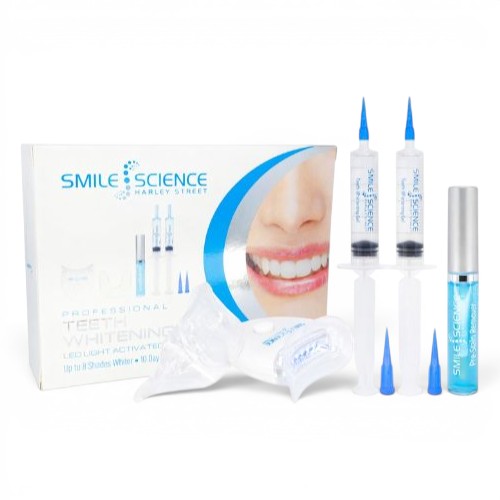
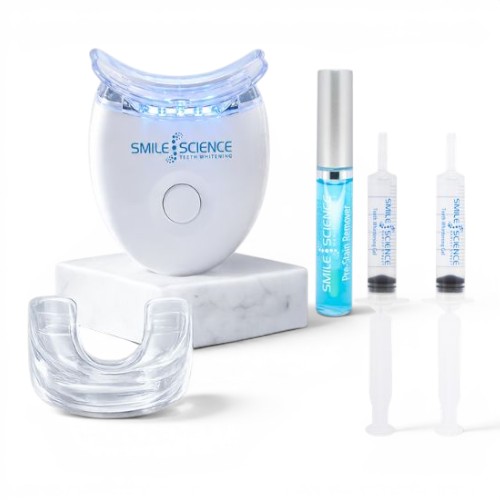
LED Whitening Kit (7–10 days) — the most effective at-home treatment option. The pre-treatment stain remover is applied first to clear surface deposits and prepare the enamel. The Sodium Percarbonate whitening gel is then applied to the LED mouth tray and activated by the LED light for 15–20 minutes per session. Sessions run daily over 7–10 days. The LED activation accelerates the oxygen-releasing reaction, making each session more efficient than passive gel application alone.
For first-time whiteners or those with moderate to significant staining, the LED kit is the recommended starting point — it delivers the fastest and most comprehensive initial result available from an at-home product.
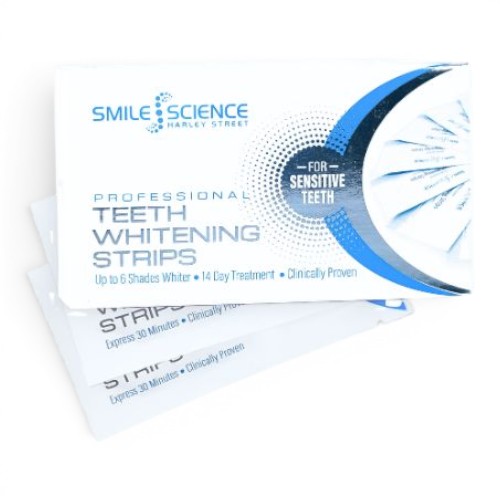
Whitening Strips (7–28 days) — a lower-intensity alternative for those who prefer a simpler approach or have sensitivity concerns. Strips deliver gradual improvement over a longer course. They’re most effective for light to moderate surface staining and work well as a maintenance tool between LED kit courses.
Phase 2 — Daily Maintenance
Daily maintenance is the most important and most commonly skipped phase. It should begin immediately after the treatment course ends — not weeks later when fading has already started. The enamel is at its brightest point immediately after treatment; maintenance is most effective when started then.
The daily maintenance stack works at low intensity, consistently, to prevent stain compounds from accumulating and embedding in the enamel. Think of it as slowing the rate of restaining rather than reversing it — which is significantly easier and requires far less intensive intervention.
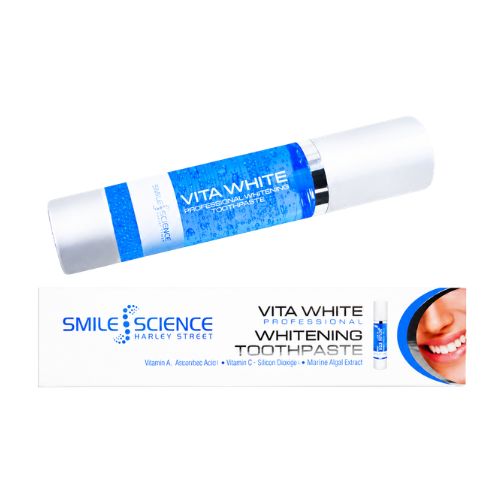
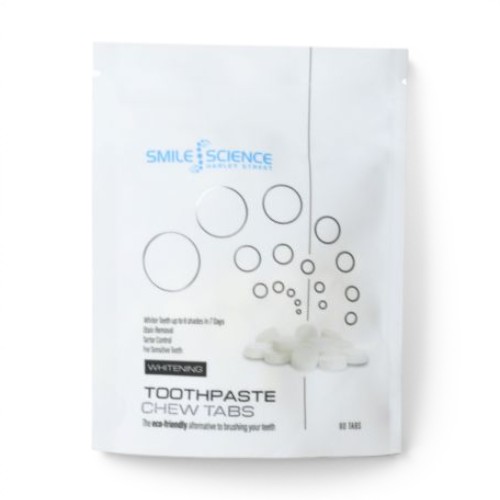
Whitening Toothpaste (twice daily) — replaces your standard toothpaste entirely. Mild whitening agents during brushing help prevent surface staining from building up between treatment courses. On its own, the whitening effect is gradual and preventative — its value is as the foundation layer of a daily routine, particularly in combination with other maintenance products.
Professional Whitening Foam (once daily) — provides a stronger daily stain prevention step than toothpaste alone. Applied directly to the teeth after brushing, it lifts surface stains more actively than toothpaste. For coffee, tea, and red wine drinkers who experience faster-than-average restaining, the foam makes a meaningful difference to how long treatment results last.
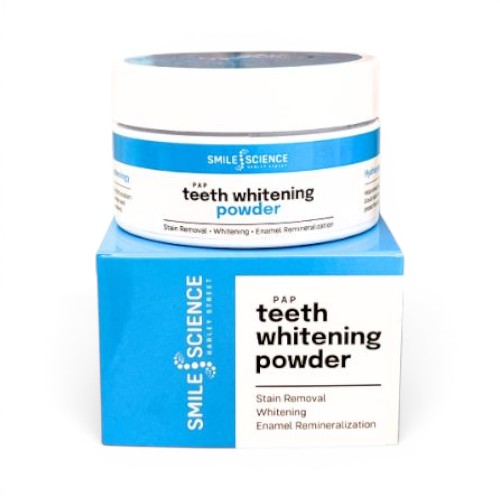
PAP Whitening Powder (daily, during brushing) — adds a gradual daily whitening action to the brushing routine. PAP works at the enamel surface through oxidation without peroxide, making it suitable for daily use with very low sensitivity risk. Used consistently alongside toothpaste and foam, it contributes to a cumulative brightening effect that slows the return of staining.
Whitening Pen (as needed) — targeted application for specific teeth or areas, or for quick touch-ups after staining events. Not a daily product — used as needed rather than as a regular routine step. Particularly useful after an evening of red wine or coffee-heavy days to address localised staining before it embeds.
Phase 3 — Top-Up Courses
Even with consistent daily maintenance, a periodic top-up course every few months helps refresh brightness and address any new staining that daily maintenance hasn’t fully prevented. The key is to schedule top-ups proactively — before significant staining returns — rather than reactively when fading has already become noticeable.
Refill Kit (every 3–6 months) — contains the same pre-treatment liquid and whitening gel as the full LED kit, designed for use with an existing LED device. A top-up course using the refill refreshes results without the need to repurchase the full system. Far more cost-effective for ongoing use.
7 or 14 Day Strip Course (between full kit courses) — a lighter top-up option between refill kit courses. Strips can be used flexibly as a maintenance tool — a 7-day course every 6–8 weeks, for example, to sustain brightness between longer LED treatment courses.
The Complete Routine at a Glance
| Product | Phase | Frequency | Purpose |
|---|---|---|---|
| LED Whitening Kit | Treatment | Every 3–6 months | Primary whitening result |
| Refill Kit | Top-up | Between full courses | Refresh results, extend brightness |
| Whitening Strips | Top-up / maintenance | Every 6–8 weeks | Lighter top-up between kit courses |
| Whitening Toothpaste | Daily maintenance | Twice daily | Base stain prevention |
| Whitening Foam | Daily maintenance | Once daily | Stronger stain prevention |
| PAP Whitening Powder | Daily maintenance | Daily (during brushing) | Gradual ongoing whitening |
| Whitening Pen | Touch-up | As needed | Targeted maintenance |
Building Your Teeth Whitening Routine — Where to Start
You don’t need everything at once. The most practical approach is to build the routine in stages:
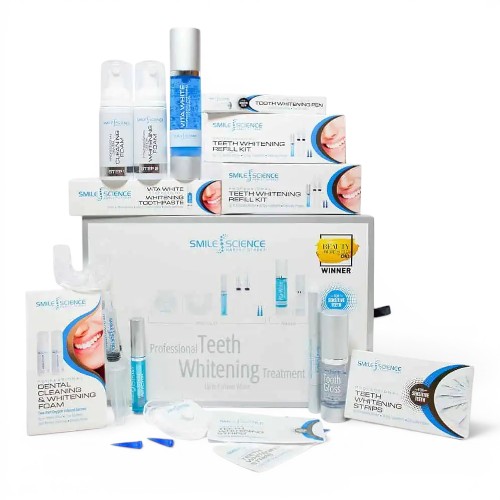
Starting out (first-time whiteners): Begin with the LED Whitening Kit for the initial treatment course. Immediately after completing the course, start using Whitening Toothpaste and Whitening Foam daily. This two-product maintenance stack is the minimum effective approach for extending results.
Building the routine: Add PAP Whitening Powder to the daily stack for additional gradual whitening. Add the Whitening Pen for on-the-go touch-ups when needed. Plan a Refill Kit top-up course 3–4 months after the initial treatment.
The complete system: Once the full routine is established, you’re maintaining from a consistently bright baseline — which means each top-up course starts from a much better position than starting from significant staining. Over time, this reduces how often a full treatment course is needed and keeps results consistently visible year-round.
How Diet Affects the Routine
What you eat and drink has a direct effect on how quickly staining returns — and therefore how hard your maintenance routine has to work. A few practical steps that make a meaningful difference:
- Rinse with water immediately after coffee, tea, or red wine — before the pigments have time to start binding to the enamel
- Use a straw for heavily pigmented drinks where practical
- Avoid the highest-staining foods for 48 hours after a whitening session — the enamel is temporarily more porous after treatment
- Brush before staining drinks rather than immediately after — brushing on freshly stained enamel can drive pigments in rather than removing them
Common Routine Mistakes
- Skipping the maintenance phase entirely — the single most common reason whitening results fade quickly. Starting maintenance immediately after treatment ends is more important than the product choice
- Waiting too long between top-up courses — refreshing from a lightly stained baseline requires far less treatment than restarting from significant staining
- Using more gel than directed during treatment — doesn’t improve results and increases sensitivity risk. Consistent, correct use matters more than quantity
- Running multiple treatment products simultaneously — strips and an LED kit at the same time, for example. Use one treatment product at a time and allow the enamel to rest between courses
- Treating whitening as a one-off — the routine mindset is what delivers lasting results. A single course followed by nothing will always fade; a structured approach maintains brightness long-term
Recommended Products
LED Teeth Whitening Kit
Refill Kit
Vita White Whitening Toothpaste
Whitening Foam
PAP Whitening Powder
Whitening Pen
Whitening Strips
Related Guides
How Long Does Teeth Whitening Last?
Best Teeth Whitening Kits UK
How to Remove Stains from Teeth
PAP vs Peroxide
Best Whitening for Sensitive Teeth
Frequently Asked Questions
How long should I wait between whitening treatment courses?We recommend waiting at least 4–6 weeks after completing a full LED kit course before starting another. Between courses, daily maintenance products reduce the rate of restaining and reduce how intensive each top-up needs to be.Do I need to use all the maintenance products?No — even a basic maintenance routine (whitening toothpaste twice daily) makes a meaningful difference to result longevity. The more of the daily stack you use consistently, the slower restaining occurs. Start with what’s manageable and build from there.When should I start the maintenance routine after treatment?Immediately — as soon as your treatment course ends. The enamel is at its brightest at this point and maintenance is most effective when started then rather than waiting weeks until fading has already begun.Can I use strips and the LED kit as part of the same routine?Yes — but not simultaneously. Use one treatment product at a time and allow teeth to rest between courses. Strips work well as a lighter top-up option between LED kit courses rather than running at the same time.How often do I need a full LED kit treatment?For most people, once every 3–6 months is sufficient when combined with a consistent daily maintenance routine. Heavier coffee, tea, or wine drinkers may benefit from more frequent top-ups; those with consistent maintenance habits may find they need full courses less frequently over time.Is it worth building a complete routine or is just the kit enough?The kit alone delivers the initial result — but without maintenance, that result fades within weeks. A complete routine is what makes the difference between whitening that lasts months and whitening that requires repeated intensive treatment. The time and cost investment in maintenance is significantly lower than repeatedly retreating from a stained baseline.