





Why Are My Teeth Yellow? The Real Causes Explained
“Why are my teeth yellow?” is one of the most common questions people ask about their smile — and one of the most misunderstood. Most people assume it’s purely about hygiene, but the reality is more complex. Understanding why teeth discolour helps you choose the right approach to fix it and prevent it from returning.
Quick AnswerIf you’re asking “why are my teeth yellow,” it usually comes down to two main reasons: surface stains from food, drink, and lifestyle habits, and deeper changes to the tooth structure that develop gradually over time. Most everyday yellowing is caused by surface staining and can be treated effectively with the right whitening approach.
Why Are My Teeth Yellow? The Two Types of Discolouration
Understanding which type you have matters — because the treatment is different. Extrinsic Staining (Surface) — this is the most common type. It happens when pigments from food, drink, and habits build up on the enamel over time. Main causes:- Coffee and tea — tannins bind to enamel and leave yellowish deposits
- Red wine — deeply pigmented and acidic, accelerating stain absorption
- Smoking — nicotine and tar cause stubborn surface and deeper staining
- Certain foods — berries, tomato-based sauces, and curries all contribute
- Ageing — enamel thins over time, making the naturally yellower dentine beneath more visible
- Certain antibiotics (particularly tetracycline) taken during tooth development
- Fluorosis — excessive fluoride during childhood can cause a mottled or yellowed appearance
- Dental trauma — injury can cause a tooth to darken from the inside
Why Teeth Yellow Faster for Some People
Even with the same diet and habits, some people experience more discolouration than others. Factors include:- Enamel thickness — naturally thinner enamel allows the yellow dentine to show through more easily
- Enamel porosity — more porous enamel absorbs staining pigments faster
- Saliva composition — saliva helps neutralise acids and wash away staining particles; reduced saliva flow increases staining risk
- Oral hygiene routine — inconsistent brushing allows stain-causing compounds to build up on the surface
The Role of Ageing
As we get older, enamel wears down naturally through chewing and exposure to acidic foods and drinks. At the same time, the inner layer of the tooth — called dentine — gradually thickens and yellows. The combined effect is that teeth appear noticeably more yellow with age, even with good habits. This is why many people who had naturally white teeth in their twenties notice gradual change over time.What Actually Helps
| Cause | Best Approach |
|---|---|
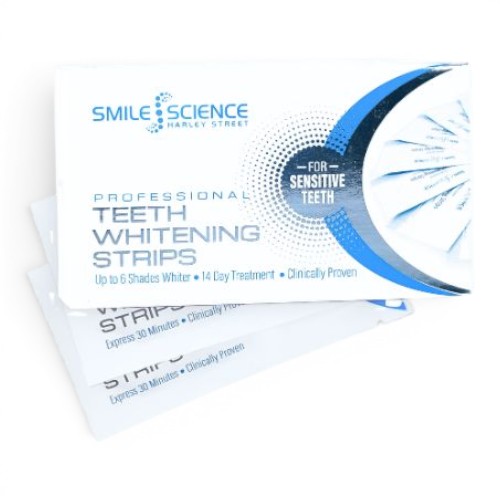
| Coffee / tea / wine staining | Whitening kit or strips + maintenance |
| Smoking stains | Whitening kit (structured treatment) |
| Gradual yellowing over time | LED whitening kit |
| Maintaining results | Daily whitening products |
How to Prevent Yellowing
- Rinse with water after coffee, tea, or wine
- Use a straw where possible for heavily pigmented drinks
- Brush consistently twice daily
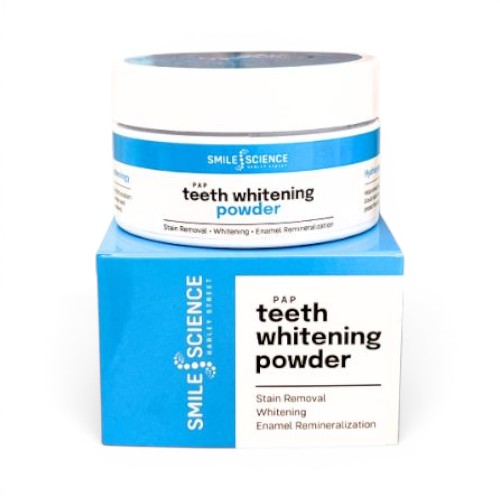
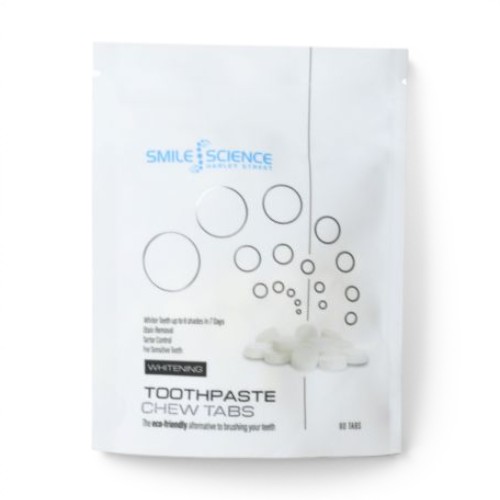
- Use a daily whitening product to prevent stain build-up
- Maintain results with regular top-up treatments
Recommended Products
Related Guides
Frequently Asked Questions
Why are my teeth yellow, and can it be fixed?Yellow teeth are usually caused by surface staining, which responds well to whitening treatments. Deeper discolouration may require professional advice.
Does yellowing mean my teeth are unhealthy?Not necessarily. Surface staining and age-related yellowing are cosmetic issues rather than health ones.
Why do my teeth yellow so quickly after whitening?This usually comes down to diet and the absence of a maintenance routine. Using daily whitening products after treatment significantly slows staining.
Does brushing more often stop yellowing?Brushing consistently helps, but standard toothpaste alone has limited whitening effect. A dedicated maintenance product makes a more noticeable difference.