





What Is Sodium Percarbonate? The Whitening Ingredient Explained
If you’ve looked at the ingredients in professional teeth whitening products, you’ll likely have come across Sodium Percarbonate. It’s the active whitening ingredient in the Smile Science range — and understanding how it works, why it was chosen, and how it compares to other whitening compounds helps explain why some whitening systems deliver better results with less discomfort than others.
Quick AnswerSodium Percarbonate is an oxygen-releasing compound used as the active whitening ingredient in professional at-home whitening systems. When it comes into contact with moisture, it releases hydrogen peroxide at a controlled, low concentration — breaking down tooth stain molecules through oxidation without the harsher enamel penetration associated with high-concentration peroxide products. It delivers meaningful whitening with a significantly lower sensitivity profile than high-peroxide alternatives.
What Is Sodium Percarbonate?
Sodium Percarbonate is a chemical compound — a combination of sodium carbonate and hydrogen peroxide — that releases hydrogen peroxide when it comes into contact with water or saliva. This makes it an effective and controllable source of the reactive oxygen species that break down tooth stain molecules. It’s used across a range of cleaning and bleaching applications — from laundry detergents to denture cleaners — because of its ability to release oxygen reliably and safely when activated. In teeth whitening, it delivers this oxygen-based stain removal directly to the enamel surface. In the UK, consumer teeth whitening products are regulated to contain no more than 0.1% hydrogen peroxide. Sodium Percarbonate provides the controlled oxygen release needed to achieve effective whitening within this regulatory framework — which is why it’s the preferred active ingredient in professionally developed, regulation-compliant at-home whitening systems.How It Works — The Chemistry Explained
Tooth staining occurs when chromogen molecules — pigmented compounds from food, drink, and lifestyle habits — penetrate the outer enamel and become embedded within the tooth structure. Coffee tannins, red wine pigments, and nicotine deposits are the most common sources. Over time, these compounds bond within the enamel and are resistant to removal by brushing alone. When Sodium Percarbonate is applied to the teeth and activated by moisture, it releases hydrogen peroxide at a controlled concentration. This hydrogen peroxide generates reactive oxygen species — highly reactive molecules that target the chemical bonds of chromogen molecules. The oxidation reaction breaks these bonds apart, dispersing the stain compounds and lifting the discolouration from the enamel. Critically, this process targets stain molecules rather than the enamel structure itself. The enamel is not dissolved, thinned, or physically abraded. Whitening through oxidation is a chemical process that removes embedded discolouration without removing tooth structure.Why Controlled Release Matters
The key advantage of Sodium Percarbonate over direct hydrogen peroxide application is the controlled release profile. When hydrogen peroxide is applied directly at high concentration, it penetrates the enamel rapidly and deeply — reaching the dentinal tubules beneath. These microscopic channels connect the outer enamel to the dental pulp and its nerve endings. When peroxide reaches the tubules, it triggers a temporary inflammatory response at the nerve — which is the direct biological cause of the sensitivity and discomfort commonly associated with whitening. Sodium Percarbonate releases hydrogen peroxide at a significantly lower effective concentration than direct peroxide application. The oxidative reaction occurs primarily at the enamel surface and the shallow enamel-dentine junction — where the majority of dietary staining accumulates — rather than penetrating deeply into the dentinal tubules. This surface-level action delivers meaningful stain removal while substantially reducing the nerve stimulation that causes sensitivity. The result: effective whitening with a lower sensitivity profile — not because less whitening is happening, but because the mechanism is more targeted.How Sodium Percarbonate Compares to Other Whitening Ingredients
| Ingredient | Mechanism | Sensitivity Risk | Whitening Speed | Best For |
|---|---|---|---|---|
| Sodium Percarbonate | Controlled oxygen release | Low–Medium | Medium–Fast | Structured treatment, balanced comfort |
| Hydrogen Peroxide | Direct enamel penetration | Higher | Fast | Fast results, less sensitive users |
| Carbamide Peroxide | Breaks down to H2O2 | Medium | Medium | Gradual treatment, trays |
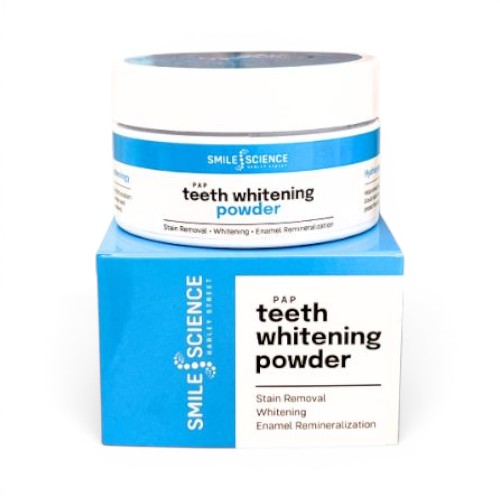
| PAP | Surface oxidation, no tubule penetration | Very Low | Gradual | Daily maintenance, high sensitivity |
Is Sodium Percarbonate Safe?
Yes — Sodium Percarbonate is approved for use in cosmetic products under UK and EU regulations. It is well-studied, with a long history of safe use across multiple product categories. In the concentrations used in consumer teeth whitening products, it delivers effective whitening without meaningful risk to enamel structure or tooth health when used as directed. Multiple studies examining whitening ingredients at a microscopic level have found no structural damage to enamel from correctly used oxygen-based whitening products. The most common side effect — temporary sensitivity — is a short-term physiological response that resolves after treatment ends, not a sign of damage. The Smile Science whitening range uses 0.33% Sodium Percarbonate Whitening Gel — within UK cosmetic regulatory limits and formulated to deliver effective results while maintaining the controlled release profile that makes it gentler than high-peroxide alternatives.Why Smile Science Uses Sodium Percarbonate
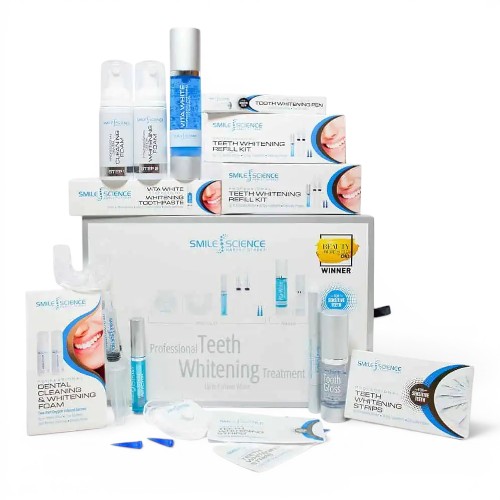
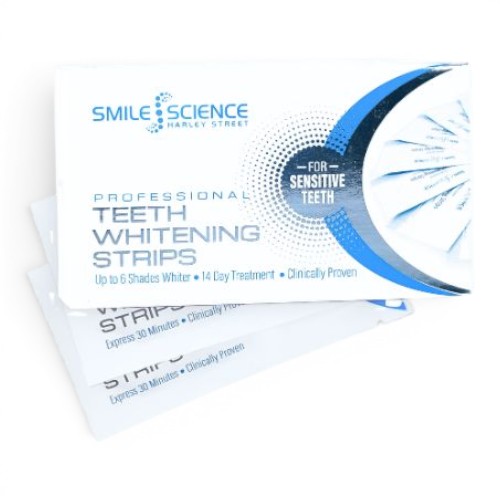
The formulations used across the Smile Science range were developed by a world-renowned dental professional — the same expert behind globally recognised products including Colgate Total and Philips Zoom. The decision to use Sodium Percarbonate as the core active ingredient reflects a specific formulation philosophy: effective whitening should not require users to accept significant discomfort as the price of results. High-peroxide systems are effective — but they achieve results through a mechanism that causes meaningful sensitivity in a large proportion of users. For many people, this sensitivity is the primary reason they stop or avoid whitening treatment. Sodium Percarbonate delivers the same oxidative stain removal through a more controlled mechanism — enabling a structured treatment approach that delivers visible results within 7–10 days with a lower sensitivity profile than peroxide-heavy alternatives. This is the same ingredient philosophy applied consistently across the Smile Science range — from the LED Whitening Kit to the Refill Kit to the Whitening Strips.The Role of LED Activation
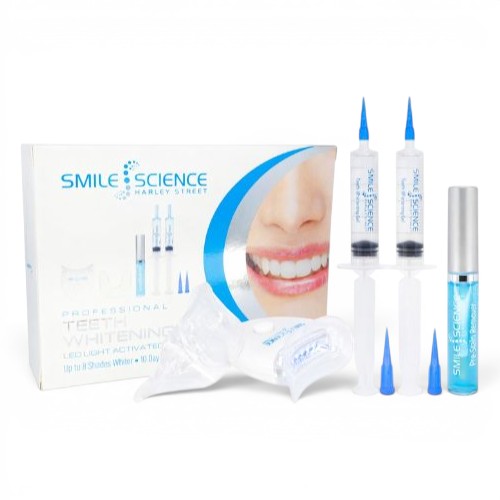
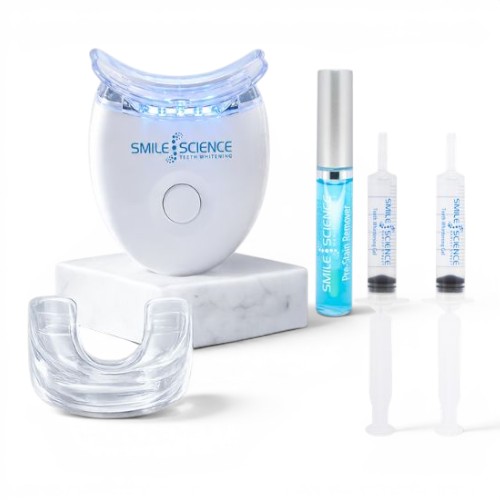
In the Smile Science Professional Teeth Whitening Kit, Sodium Percarbonate gel is used in combination with LED light activation. When LED light energy is directed at the gel during each session, it accelerates the oxygen-releasing reaction — generating more reactive oxygen species within the same treatment window and increasing the rate at which stain bonds are broken. This is why LED-activated whitening delivers visible results faster than passive gel application. The combination of a well-formulated Sodium Percarbonate gel with targeted LED activation is what allows the Smile Science kit to achieve meaningful results within 7–10 days — without relying on the high peroxide concentrations that cause significant sensitivity in many users.Sodium Percarbonate in the Context of UK Regulations
In the UK, consumer teeth whitening products are regulated under cosmetic product legislation, in line with NHS guidance on teeth whitening. Products available without professional supervision are limited to 0.1% hydrogen peroxide (or equivalent oxygen-releasing concentration). Higher concentrations — used in professional dental treatments — require administration by a registered dental professional. This regulatory framework exists to ensure consumer safety at the point of sale. It also means that any product claiming professional-strength whitening results without professional oversight should be approached with caution — effective at-home whitening is achievable within these limits, but claims that significantly exceed what regulated products can deliver should be questioned. Smile Science products are formulated within UK cosmetic regulations — providing effective, clinically meaningful whitening within the framework designed to protect consumer safety.Related Guides
Frequently Asked Questions
What is Sodium Percarbonate?Sodium Percarbonate is a compound that releases hydrogen peroxide when activated by moisture. In teeth whitening, it provides a controlled source of reactive oxygen that breaks down stain molecules through oxidation — delivering effective whitening with a lower sensitivity profile than direct high-concentration peroxide application.
Is Sodium Percarbonate the same as hydrogen peroxide?Not exactly. Sodium Percarbonate releases hydrogen peroxide when activated, but at a lower effective concentration and with a more controlled release profile than applying hydrogen peroxide directly. This is what gives it a lower sensitivity risk while still delivering meaningful whitening.
Is Sodium Percarbonate safe for teeth?Yes — Sodium Percarbonate is approved for use in cosmetic products under UK and EU regulations, with a well-established safety profile. At the concentrations used in consumer whitening products, it does not damage enamel structure when used as directed. The most common side effect is temporary sensitivity, which resolves after treatment ends.
Why is Sodium Percarbonate better than high-peroxide whitening?It isn’t universally “better” — high-peroxide systems can deliver faster results. The advantage of Sodium Percarbonate is the more controlled release profile, which reduces the deep enamel penetration that causes sensitivity in many users. For people who want effective whitening with a more comfortable experience, Sodium Percarbonate-based systems offer a meaningful practical advantage.
How quickly does Sodium Percarbonate whiten teeth?In a structured LED-activated system like the Smile Science Professional Teeth Whitening Kit, visible results are typically achieved within 7–10 days of daily sessions. The LED activation accelerates the oxygen-releasing reaction, making the process faster than passive gel application alone.
Is Sodium Percarbonate suitable for sensitive teeth?Yes — it is specifically used in formulations designed to reduce sensitivity risk. Its controlled release profile limits the deep enamel penetration associated with peroxide-induced sensitivity, making it a more appropriate choice for users with sensitivity concerns than high-concentration peroxide alternatives.