Is Teeth Whitening Safe?
Teeth whitening is one of the most popular cosmetic treatments in the UK — but questions about safety are common, and understandable. With a wide range of products available at very different price points and strengths, it’s worth understanding what whitening actually does to your teeth, which ingredients to be aware of, and how to use products safely for the best results.
The short answer is that modern whitening products are safe for most people when used correctly. The longer answer depends on the method, the ingredient, and how the product is used.
Quick AnswerYes — teeth whitening is safe for the majority of people when used as directed. Modern whitening systems are designed to remove stains from the enamel without damaging the tooth structure. The most common side effect is temporary sensitivity, which typically resolves after treatment ends. Choosing the right system for your teeth and following the instructions carefully are the most important factors in using whitening safely.
How Teeth Whitening Works — and Why Safety Concerns Arise
Teeth whitening works by using active ingredients that release oxygen to break down stain molecules on the enamel. This process lifts discolouration without physically removing enamel. According to
NHS guidance on teeth whitening, the most common side effect is temporary sensitivity to cold or sweet food and drink — consistent with what dentists see in practice. Safety concerns generally arise from three things:
Does Whitening Damage Enamel?
This is the most common concern — and the evidence is reassuring. Whitening products work on the surface of the enamel, breaking down stain compounds. They do not remove or erode enamel when used correctly. Studies consistently show that whitening ingredients used at appropriate concentrations do not weaken or structurally change the enamel.
Where problems occur is typically through:
- Excessive frequency of use
- Using very high-strength products without professional supervision
- Pre-existing enamel erosion from acidic diet or acid reflux, which can make teeth more reactive
For the vast majority of users with healthy teeth, standard at-home whitening does not damage enamel.
What About Sensitivity?
Temporary sensitivity is the most common side effect of whitening — and it’s worth understanding what causes it. During whitening, active ingredients can temporarily increase the permeability of the enamel, making teeth more reactive to temperature and pressure. This is not damage — it’s a short-term response that typically resolves within 24–48 hours of completing a session or finishing a course.
Factors that influence sensitivity:
- Ingredient strength — higher peroxide concentrations increase sensitivity risk
- Treatment duration — longer sessions or courses increase exposure
- Individual enamel condition — naturally thinner or more porous enamel is more reactive
- Existing sensitivity — people who already have sensitive teeth may experience more noticeable effects
How to reduce sensitivity:
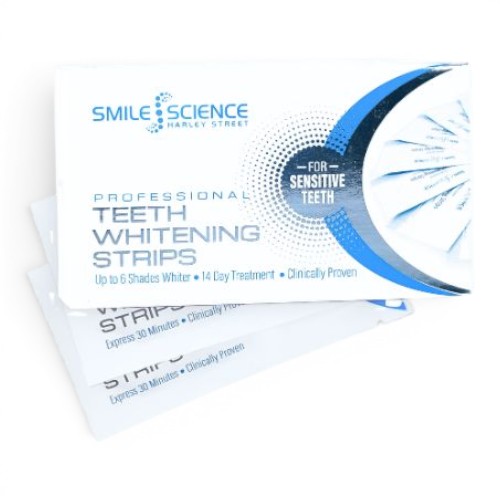
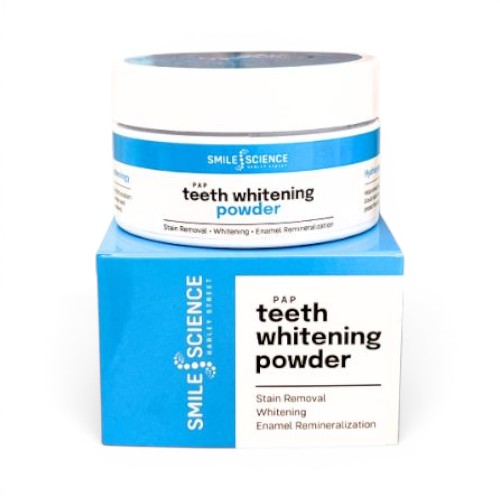
- Choose a formula designed for lower sensitivity (Sodium Percarbonate or PAP-based systems)
- Follow the recommended session length — don’t extend beyond what’s advised
- Space sessions as directed — don’t rush the treatment
- Use a sensitivity toothpaste during the treatment period if needed
Ingredient Safety — What You’re Actually Using
Different whitening systems use different active ingredients. Understanding them helps you make an informed choice.
Who Should Be Cautious
Whitening is not suitable for everyone in all circumstances. You should consult a dentist before whitening if you:
- Are pregnant or breastfeeding
- Have active tooth decay or gum disease
- Have crowns, veneers, or significant dental work on visible teeth (whitening does not affect these)
- Have severe enamel erosion
- Are under 18
For most healthy adults, standard at-home whitening is appropriate. If you have any doubt about your dental health, a quick check with a dentist before starting is always sensible.
UK Regulations
In the UK, consumer whitening products are regulated to contain no more than 0.1% hydrogen peroxide. Products sold within this limit are considered safe for adult use. Higher-concentration treatments are only legally available through dental professionals. This means reputable at-home products sold in the UK are formulated within a framework designed to protect consumer safety.
If you’re choosing between products, our
roundup of the best whitening strips in the UK breaks down which brands are UK-regulated and which are imported from outside EU/UK compliance frameworks — worth checking before you buy.
Common Myths About Whitening Safety
- “Whitening destroys enamel” — not accurate when products are used correctly. Whitening works on stain molecules, not the enamel structure itself.
- “Sensitivity means the product is damaging your teeth” — sensitivity during whitening is a temporary physiological response — not a sign of damage. It typically resolves quickly after treatment.
- “More gel = better results” — more gel does not improve results and can increase the chance of gum irritation. Correct, consistent use matters more than quantity.
- “You should whiten as often as possible” — overuse is where problems can develop. Following the recommended frequency gives results without unnecessary exposure.
How to Whiten Safely — Summary
- Choose a product appropriate for your sensitivity level
- Follow the instructions — session length and frequency matter
- Avoid overuse
- Maintain good oral hygiene throughout
- If you have any pre-existing dental concerns, check with a dentist first
- Use a daily maintenance product after treatment to reduce the need for repeated intensive courses
Recommended Products
Related Guides
Frequently Asked Questions
Is teeth whitening safe for sensitive teeth?Yes, but choosing a lower-intensity or balanced formula is important. Systems using Sodium Percarbonate or PAP are generally better suited to sensitive teeth than high-peroxide alternatives.
Can whitening damage your gums?Whitening gel that contacts the gums can cause temporary irritation. Following application instructions carefully — and not overfilling trays — minimises this risk.
Is it safe to whiten teeth every day?During a treatment course, daily use is typically fine when following the product’s instructions. Continuous daily whitening beyond the recommended course is not advisable.
How often is it safe to whiten teeth?Most people can complete a full whitening course every few months, supplemented by daily maintenance products in between.
Is at-home whitening as safe as professional whitening?At-home whitening using regulated consumer products is safe for most people. Professional treatments use higher concentrations under supervision, which carries different considerations. For most users, at-home systems are appropriate.