





Best Teeth Whitening for Sensitive Teeth
Finding the best teeth whitening for sensitive teeth doesn’t have to mean choosing between results and comfort. Sensitivity is one of the most common barriers to whitening — and one of the most manageable, once you understand what causes it and how to choose the right approach.
Many people who have experienced discomfort with whitening in the past assume they simply can’t whiten their teeth. In most cases that’s not true. The issue is usually the type of whitening system used rather than an inherent incompatibility with whitening itself. This guide explains why sensitivity happens, which methods and ingredients are best suited to sensitive teeth, and how to get meaningful results without discomfort.
Quick AnswerThe best whitening options for sensitive teeth are systems that use controlled, lower-intensity active ingredients — particularly Sodium Percarbonate or PAP-based formulas — which are designed to deliver effective stain removal while minimising the enamel penetration that causes sensitivity. Gradual methods like whitening strips also tend to be well-tolerated, and daily maintenance products provide a very low-intensity ongoing option.
Why Teeth Whitening Causes Sensitivity
Understanding the mechanism behind sensitivity makes it easier to choose an approach that avoids it. According to NHS guidance on sensitive teeth, sensitivity during whitening occurs when active whitening ingredients penetrate the enamel and temporarily affect the dentinal tubules — microscopic channels within the tooth that connect to the nerve. When these channels become more accessible, the nerve responds more readily to external stimuli like cold air, water, or pressure — causing that familiar sharp, brief discomfort. The key factors that determine how much sensitivity you experience: Ingredient and concentration — higher-concentration peroxide products penetrate the enamel more deeply and more rapidly, causing more pronounced sensitivity in many users. Lower-intensity or alternative ingredients — PAP, Sodium Percarbonate — interact with the enamel less aggressively, resulting in significantly lower sensitivity for most people. Session length — longer exposure to whitening gel increases penetration depth and sensitivity risk. Following recommended session lengths — and not extending them — is one of the most practical ways to manage sensitivity. Individual enamel characteristics — some people have naturally thinner or more porous enamel, making them more reactive to whitening regardless of ingredient. Pre-existing enamel erosion amplifies this further. Pre-existing sensitivity — people who already experience sensitivity to hot, cold, or sweet stimuli before whitening are more likely to have a more pronounced response during treatment. This doesn’t mean whitening is off the table — it means ingredient and intensity choice matters more.The Best Teeth Whitening for Sensitive Teeth — Top Approaches
1. Sodium Percarbonate-Based LED Kits
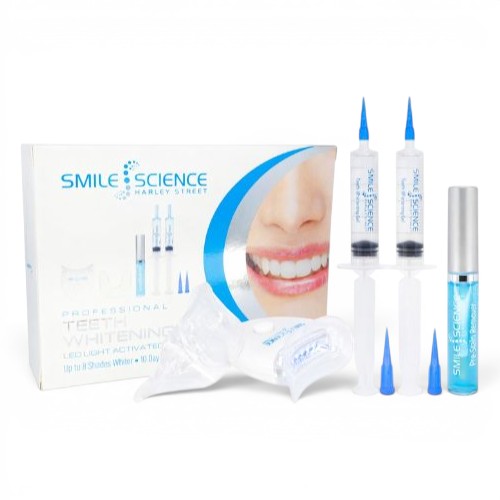
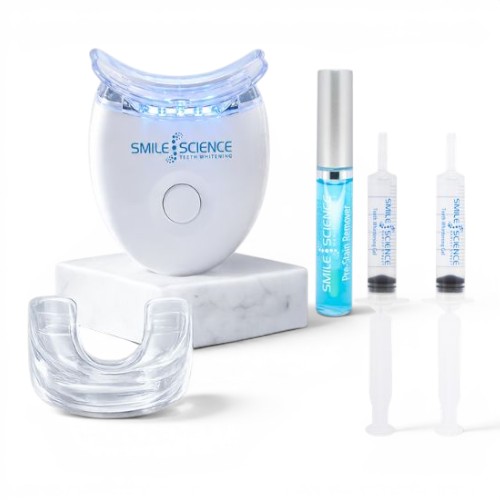
The most effective option for sensitive users who still want meaningful results within a structured treatment period. Sodium Percarbonate releases oxygen in a more controlled way than direct hydrogen peroxide, delivering effective stain removal while limiting the intensity of enamel penetration.- Results: visible within 7–10 days
- Sensitivity: low to medium for most users
- Best for: users who want structured treatment results without the sensitivity of high-peroxide systems
- How to use: follow the structured daily sessions; avoid extending beyond recommended length
This is the recommended starting point for most users with sensitivity concerns who want genuine whitening results within a reasonable timeframe.
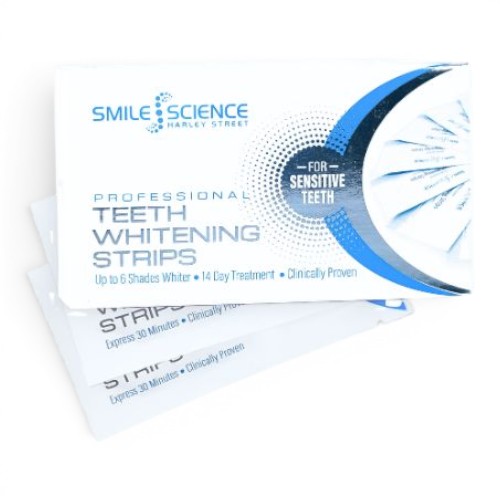
2. Whitening Strips
A practical lower-intensity option that suits a gradual approach. Strips apply a thin layer of whitening gel directly to the teeth without tray pressure, and at lower concentrations than most kit systems.- Results: gradual improvement over 7–28 days depending on course length
- Sensitivity: generally low, particularly with gentler formulations
- Best for: users who want a simple routine with lower sensitivity risk
- How to use: apply daily as directed; shorter courses (7–14 days) are more manageable for those with significant sensitivity
For people who’ve had bad experiences with kits in the past, strips often provide a more comfortable entry point. Our roundup of the best whitening strips in the UK highlights which options are gentlest for sensitive teeth.
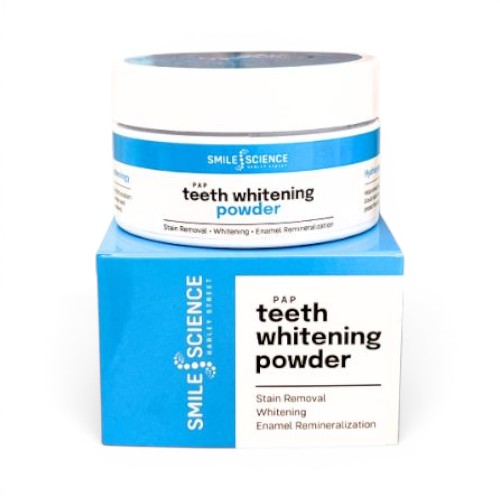
3. PAP-Based Daily Products
PAP whitening offers the gentlest ongoing whitening approach. Because PAP works at the enamel surface without significant penetration, it’s associated with the lowest sensitivity risk of any mainstream whitening ingredient.- Results: gradual improvement over several weeks
- Sensitivity: very low for most users
- Best for: daily maintenance, very sensitive teeth, supplementing other treatment
- How to use: apply during brushing as part of a daily routine
PAP-based products won’t deliver dramatic results quickly — they’re designed for gradual daily whitening and maintenance rather than a structured treatment course. But for users who’ve struggled with any form of whitening sensitivity, they provide a way to improve brightness consistently without discomfort.
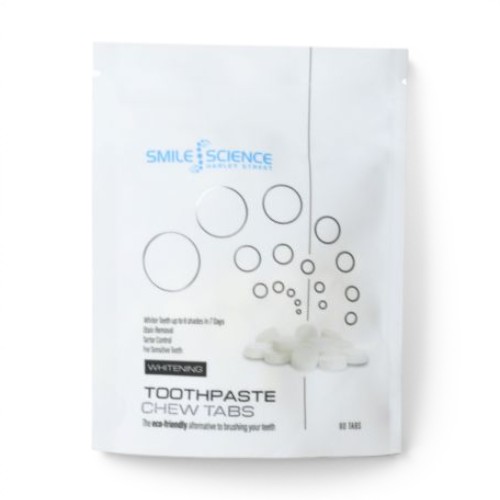
4. Maintenance Products
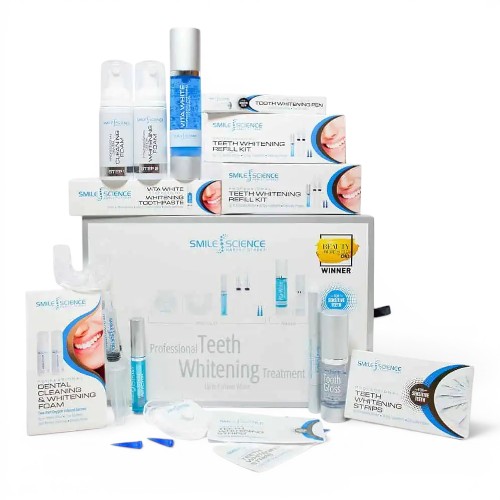
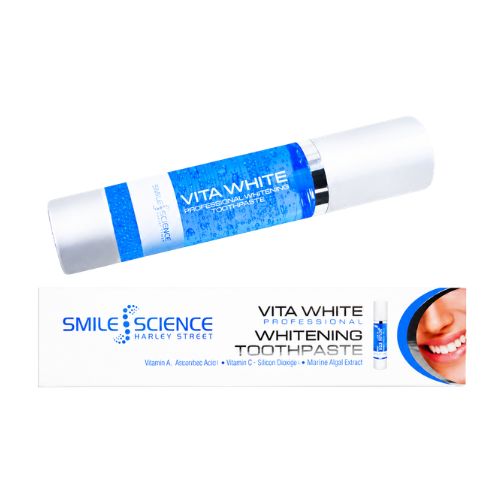
Daily maintenance products — whitening foam, whitening toothpaste — offer the lowest intensity of all. They’re not designed to deliver significant whitening on their own, but they help maintain brightness and prevent new staining with negligible sensitivity risk.- Results: prevention and maintenance only
- Sensitivity: minimal
- Best for: preserving previous treatment results, preventing staining
Comparing the Best Teeth Whitening for Sensitive Teeth
| Method | Sensitivity Risk | Whitening Effect | Best For |
|---|---|---|---|
| LED Kit (Sodium Percarbonate) | Low–Medium | Effective | Structured treatment with comfort |
| Whitening Strips | Low | Gradual | Simple routine, moderate sensitivity |
| PAP Whitening Powder | Very Low | Gentle | Daily use, high sensitivity |
| Whitening Foam | Minimal | Maintenance | Daily upkeep |
| Whitening Toothpaste | Minimal | Low | Base daily care |
What to Avoid If You Have Sensitive Teeth
High-peroxide systems — products relying on high concentrations of hydrogen or carbamide peroxide carry the highest sensitivity risk. While effective for fast results in non-sensitive users, they are the most likely to cause significant discomfort in those with sensitive teeth. Extended session lengths — using whitening products for longer than recommended doesn’t improve results meaningfully but does increase sensitivity risk. If you’re sensitive, staying strictly within the recommended time is important. Frequent overuse — more frequent treatment doesn’t accelerate results — it increases exposure and sensitivity. Following recommended frequencies and using daily maintenance products between courses is a more sensible approach. Highly abrasive products — some charcoal powders and certain whitening toothpastes are more abrasive than others. Frequent use of highly abrasive products on already-sensitive teeth is not advisable.How to Reduce Sensitivity During Whitening
Before Treatment
- Use a sensitivity toothpaste for two weeks before starting a whitening course — this can help reduce baseline reactivity
- Avoid highly acidic foods and drinks in the days before starting, as these temporarily soften enamel
During Treatment
- Stick to the recommended session length — don’t extend
- If sensitivity is significant after a session, take a day’s break before the next one rather than pushing through
- Avoid very cold or very hot food and drinks immediately after sessions when teeth are most reactive
- Consider alternating whitening sessions with sensitivity toothpaste use
After Treatment
- Begin a gentle daily maintenance routine immediately to prevent staining without needing repeated intensive treatment
- PAP powder or whitening foam are well-suited to sensitive users for daily upkeep
Building a Whitening Routine for Sensitive Teeth
A structured approach works better than an ad-hoc one for sensitive users — it maximises results while keeping sensitivity manageable.Phase 1 — Treatment (7–10 Days)
LED whitening kit (Sodium Percarbonate formula)
- Daily sessions of 10–20 minutes
- Avoid staining foods throughout
- Use sensitivity toothpaste on off-hours if needed
Phase 2 — Transition (Immediately After Treatment)
Begin daily maintenance:
- PAP whitening powder during brushing
- Whitening toothpaste as standard daily toothpaste
Phase 3 — Ongoing Maintenance
- Whitening foam for stronger daily upkeep
- Whitening pen for occasional touch-ups
- Repeat kit course every 3–6 months as needed
When to See a Dentist
For most users, selecting the right product and following a sensible routine is sufficient. However, it’s worth consulting a dentist before whitening if:- You experience persistent sensitivity unrelated to whitening
- You have active tooth decay or gum disease
- You’ve had significant enamel erosion diagnosed previously
- Sensitivity during previous whitening attempts was severe or prolonged
- You’re unsure whether dental restorations on visible teeth might affect the outcome
Recommended Products
Related Guides
Frequently Asked Questions
Can I whiten my teeth if I already have sensitive teeth?Yes — but ingredient choice matters considerably. Sodium Percarbonate and PAP-based systems are specifically designed to reduce sensitivity and are well-suited to sensitive users.
What is the least sensitive whitening method?PAP-based daily products carry the lowest sensitivity risk of any mainstream whitening approach. For structured treatment results with low sensitivity, Sodium Percarbonate-based LED kits are the recommended option.
Why do my teeth hurt after whitening?Temporary sensitivity after whitening is normal — it’s caused by increased enamel permeability during treatment making teeth more reactive. It typically resolves within 24–48 hours. It is not a sign of damage.
Does sensitive toothpaste help with whitening sensitivity?Yes — using a sensitivity toothpaste before and during a whitening course can reduce baseline reactivity and make treatment more comfortable. It doesn’t prevent sensitivity entirely but can meaningfully reduce its intensity.
Can I stop and restart a whitening course if sensitivity is too high?Yes — taking a break for a day or two when sensitivity is significant is sensible. Simply resume once sensitivity has settled and complete the remaining sessions.