How Long Does Teeth Whitening Last?
How long does teeth whitening last? It’s one of the most common questions people have after treatment. The answer isn’t fixed — it depends on the method you used, your diet and lifestyle habits, and whether you follow a maintenance routine after treatment. Understanding what affects whitening longevity helps you get more from your results and reduce the need for repeated full treatments over time.
Quick AnswerHow long does teeth whitening last? Typically between 3–12 months, depending on the method used and how well results are maintained. LED whitening kits tend to deliver longer-lasting results than strips alone, while a consistent daily maintenance routine can significantly extend brightness between treatments. Without any maintenance, results will fade faster regardless of the method used.
Why Doesn’t Teeth Whitening Last Forever?
Whitening doesn’t permanently change the structure of your teeth. It removes existing stain molecules from the enamel — but the same everyday habits that caused staining in the first place continue after treatment ends.
The main reasons results fade:
- Diet — coffee, tea, red wine, and deeply pigmented foods gradually restain the enamel
- Smoking — one of the fastest ways to reverse whitening results
- Enamel porosity — more porous enamel reabsorbs staining compounds more readily
- Oral hygiene — inconsistent brushing allows stain-causing compounds to build up
- No maintenance routine — without ongoing upkeep, results diminish steadily over time
The rate of fading varies significantly between individuals. Someone who drinks several cups of coffee daily and doesn’t use any maintenance products may notice results fading within a few weeks. Someone who avoids heavy staining habits and uses daily maintenance products consistently can maintain results for considerably longer.
How Long Each Method Lasts
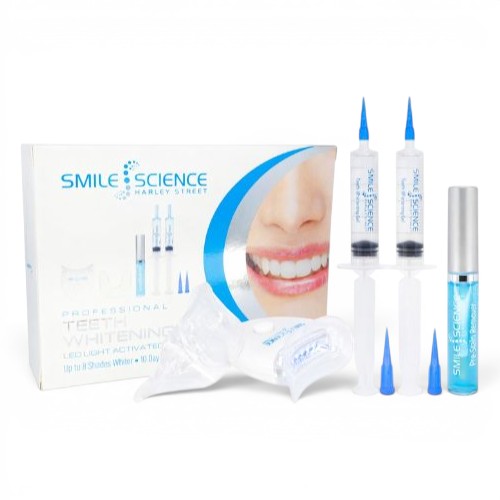
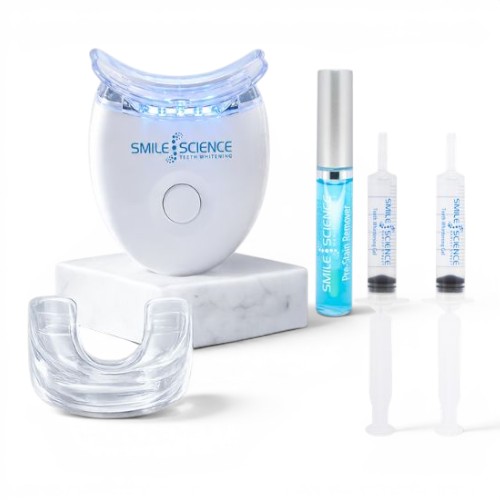
LED Whitening Kits
Because these deliver a more structured, deeper whitening treatment, results tend to last longer than strip-based methods.
- Typical duration: 6–12 months
- With maintenance routine: results can be extended further
- Without maintenance: expect gradual fading from 3–4 months
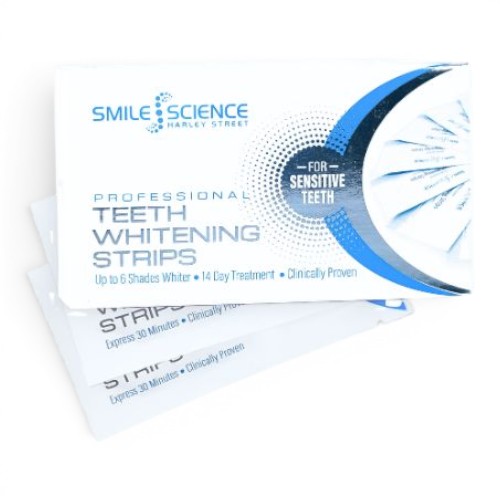
Whitening Strips
Strips provide effective surface whitening but are generally a lighter treatment than kits. Results are still meaningful but fade more quickly without upkeep.
- Typical duration: 3–6 months
- With maintenance routine: 4–6 months or longer
- Without maintenance: noticeable fading often begins within 6–8 weeks
Maintenance Products Only
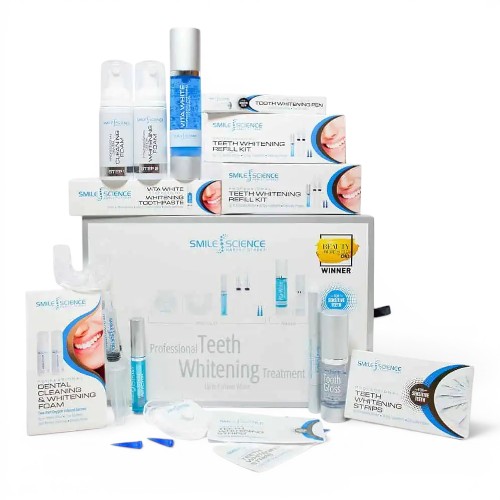
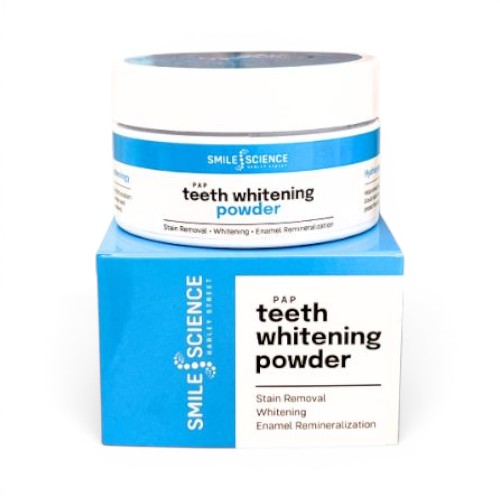
Products like whitening foam, PAP powder, and whitening toothpaste are not designed to deliver dramatic whitening on their own. They are designed to preserve and extend results from a prior treatment.
- Duration: ongoing, as long as consistently used
- Best combined with: periodic full treatment courses
The Biggest Factor: Maintenance Routine
The single most significant thing you can do to extend whitening results is to start a daily maintenance routine immediately after treatment ends — not weeks later when fading has already begun. The logic is straightforward: it’s much easier to prevent stains from building up than to remove them once they’ve set into the enamel. Daily maintenance products work at a low intensity, consistently, to stop the gradual stain accumulation that causes brightness to fade.
What a good maintenance routine looks like:
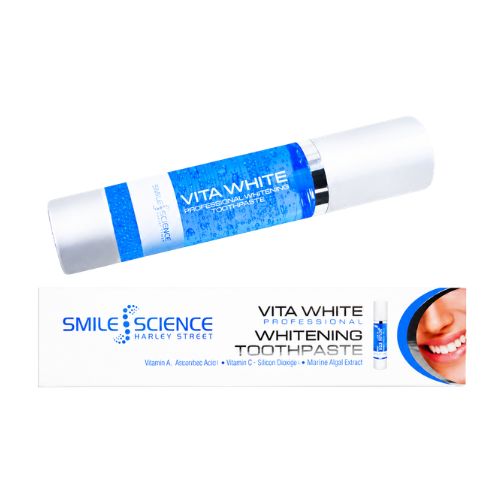
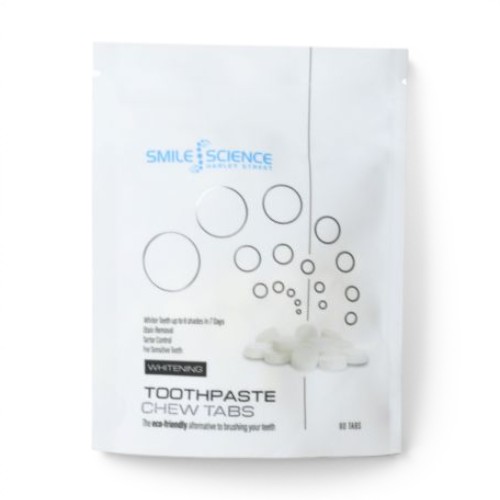
- Daily — whitening toothpaste as your standard toothpaste
- Daily — whitening foam for a stronger daily whitening effect beyond toothpaste alone
- As needed — whitening pen for targeted touch-ups or after staining events
- Periodically — PAP whitening powder to support gradual ongoing whitening during brushing
This kind of routine doesn’t require significant effort — it largely replaces products you’re already using — but the cumulative effect on longevity is substantial.
How Diet Affects Longevity
What you consume after whitening has a direct impact on how long results last. The enamel is temporarily more porous immediately after treatment, making it more susceptible to restaining in the short term.
High Staining Risk
- Coffee and tea — the most common culprits; tannins bind readily to enamel
- Red wine — deeply pigmented and acidic, accelerating stain absorption
- Tomato-based sauces, curries, soy sauce
- Dark berries and juices
- Smoking — among the most damaging habits for whitening longevity
Lower Staining Risk
- Water, milk, light-coloured foods
- White wine (though acidic, less pigmented)
- Chicken, fish, rice, pasta without dark sauces
Practical Steps to Protect Results
- Rinse with water immediately after consuming staining drinks
- Use a straw for coffee, tea, and juice where possible
- Avoid the highest-risk foods and drinks for at least 48 hours after each whitening session
- Brush or rinse after meals where possible
When to Repeat Treatment
Rather than waiting until teeth look noticeably yellow again, the most effective approach is to schedule periodic top-up treatments as part of your routine — before significant staining accumulates.
A sensible approach for most people:
- Full LED kit treatment — once or twice a year depending on lifestyle
- Refill kit — for top-up courses between full treatments
- Daily maintenance products — used consistently throughout
This approach keeps teeth consistently bright without requiring intensive whitening every time — because you’re not starting from a heavily stained baseline. If you smoke, drink a lot of coffee or tea, or have naturally porous enamel, more frequent top-ups may be appropriate.
Why Some People See Faster Fading
Beyond diet and maintenance, a few other factors accelerate fading:
- Enamel porosity — naturally more porous enamel reabsorbs staining compounds faster. If you’ve noticed your teeth yellowing quickly in the past, this may be a factor
- Dry mouth — saliva plays an important role in neutralising acids and washing away staining particles. Reduced saliva flow (from medication, mouth breathing, or other causes) increases staining rate
- Acidic diet — frequent consumption of acidic foods and drinks softens enamel temporarily, making it more receptive to staining
- Age — as enamel naturally thins with age, the yellower dentine beneath shows through more readily, which can make whitening results appear to fade faster
Realistic Expectations
Teeth whitening does not produce a permanent change — the NHS notes that results are not permanent, though following good aftercare advice can help maintain effects over time. It removes staining that has accumulated and resets the baseline. New staining will begin to accumulate from the moment treatment ends, at a rate determined by lifestyle and maintenance habits.
The goal of a good whitening routine is not to achieve permanent white teeth — it’s to maintain a consistently bright baseline through a combination of periodic treatment and daily upkeep. Most people who follow a structured approach maintain noticeably whiter teeth long-term with less repeated intensive treatment over time.
Recommended Products
Related Guides
Frequently Asked Questions
How long does teeth whitening last?Most whitening results last between 3–12 months, depending on the method used, your diet, and whether you follow a maintenance routine. LED kits tend to last longer than strips alone.
Does whitening last longer with a kit than strips?Generally yes. Kits deliver a more structured, deeper treatment which tends to produce longer-lasting results than strips alone — particularly when combined with a maintenance routine.
How can I make whitening last longer?The most effective steps are starting a daily maintenance routine immediately after treatment, reducing intake of high-staining foods and drinks, and scheduling periodic top-up treatments before significant staining returns.
Does whitening toothpaste maintain results?It helps, but whitening toothpaste alone provides limited maintenance. For more meaningful upkeep, combining it with a whitening foam or PAP powder as part of a daily routine gives significantly better results.
How do I know when to top up my whitening?A good rule of thumb is to schedule a top-up treatment every 3–6 months depending on your lifestyle — rather than waiting until you notice significant yellowing. It’s much easier to refresh whitening from a maintained baseline than to restart from heavy staining.
Do whitening results fade faster for some people?Yes — enamel porosity, diet, smoking, dry mouth, and age can all cause results to fade more quickly. A more consistent maintenance routine helps offset these factors.