




How to Remove Stains from Teeth
Tooth staining is something almost everyone experiences over time. Whether it’s the gradual yellowing that comes from years of coffee and tea, or more stubborn discolouration from smoking or certain foods, stains on teeth are one of the most common cosmetic concerns — and one of the most treatable.
The right approach to removing stains depends on the type of staining you have, how deep it sits, and how quickly you want results. This guide explains the different types of staining, which methods are most effective for each, and how to prevent stains from returning after treatment.
Quick Answer
The most effective way to remove tooth stains depends on their type and depth. Surface stains from everyday habits like coffee and tea respond well to whitening treatments using oxygen-based active ingredients, which break down stain molecules on the enamel. Deeper or more persistent staining typically requires a structured whitening kit for meaningful results. Daily maintenance products help prevent new stains from building up after treatment.
Understanding the Two Types of Tooth Staining
Before choosing a removal method, it helps to understand what kind of staining you’re dealing with — because the treatment approach differs significantly.
Extrinsic Staining (Surface) — this is the most common type, caused by pigments from food, drink, and lifestyle habits that accumulate on and within the outer layer of enamel. Common causes include:
- Coffee and tea — tannins bind strongly to enamel, creating yellowish-brown deposits over time
- Red wine — deeply pigmented and acidic, accelerating stain penetration
- Smoking — nicotine and tar create stubborn yellow and brown staining that builds up progressively
- Tomato sauces, curries, soy sauce — high pigment content
- Dark berries and juices — blueberries, blackberries, pomegranate
- Poor oral hygiene — allows stain-causing compounds to accumulate rather than being cleared
This type responds well to whitening treatments and is what most at-home products are designed to address.
Intrinsic Discolouration (Deeper) — this occurs within the tooth structure itself rather than on the surface. It is less common and harder to treat with standard whitening. Common causes include:
- Ageing — enamel naturally thins over time, making the yellower dentine layer beneath more visible
- Certain antibiotics — tetracycline in particular, if taken during tooth development
- Fluorosis — excessive fluoride exposure during childhood
- Dental trauma — injury can cause internal darkening of a tooth
- Certain medications — some antihistamines and blood pressure medications have been associated with discolouration
Intrinsic discolouration may require professional assessment and is typically outside the scope of standard at-home whitening.
Stain Depth — Why It Matters for Treatment
Even within extrinsic staining, depth varies. Fresh surface stains — recent accumulation from everyday habits — respond faster to treatment than older, more embedded staining that has built up over months or years. This is why the same product can deliver noticeably different results for different people — someone with recent, light staining will see faster improvement than someone with years of accumulated discolouration.
| Stain Type | Depth | Responds to At-Home Whitening? |
|---|---|---|
| Fresh surface stains | Superficial | Yes — quickly |
| Established surface stains | Moderate | Yes — with structured treatment |
| Deep extrinsic staining | Deep enamel | Yes — may need full kit course |
| Intrinsic discolouration | Within tooth | Limited — professional advice recommended |
The Most Effective Methods for Removing Stains
1. LED Whitening Kit (Most Effective for Established Staining)
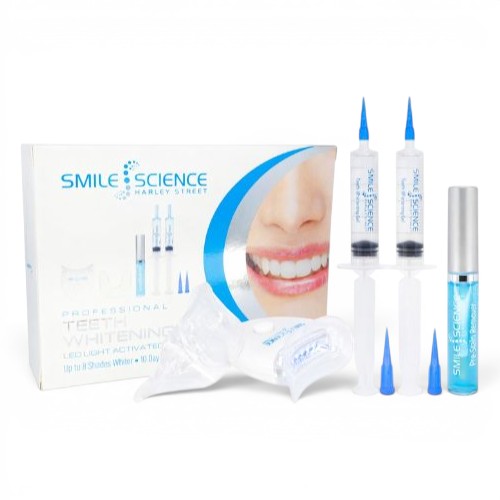
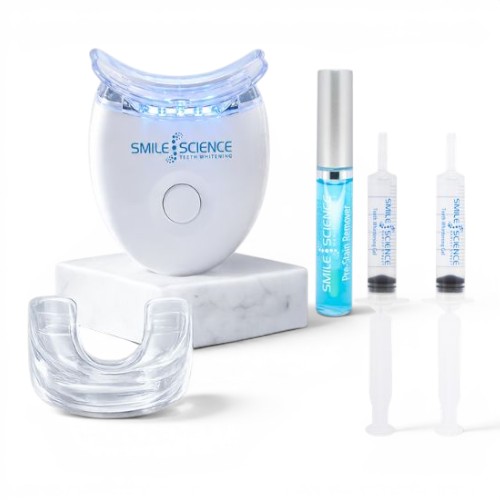
For moderate to significant surface staining, a structured LED whitening kit is the most effective at-home approach. The combination of a whitening gel and LED activation helps break down stain molecules more efficiently than passive methods.
- Best for: coffee, tea, wine, smoking stains — moderate to significant depth
- Results: visible improvement within 7–10 days
- How it works: oxygen released by the active ingredient breaks down stain molecules on the enamel; LED light accelerates the process
This approach is particularly effective for staining that has built up over time and hasn’t responded meaningfully to toothpaste or strips alone.
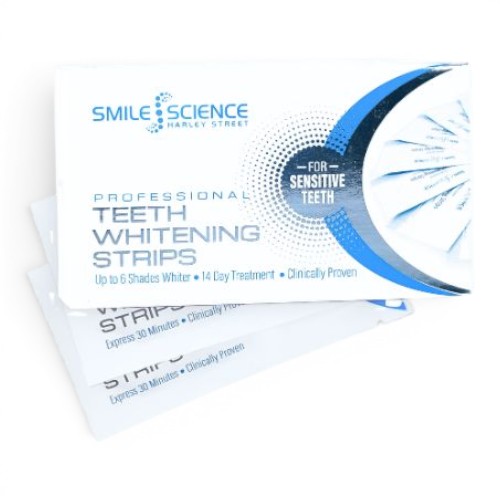
2. Whitening Strips (Effective for Moderate Surface Staining)
A practical option for lighter to moderate staining, or for users who prefer a simpler daily routine. Strips apply a controlled layer of whitening gel directly to the teeth, gradually breaking down stains over a 7–28 day course depending on the product chosen.
- Best for: everyday surface staining, maintenance, gradual improvement
- Results: noticeable improvement within 1–3 weeks
- How it works: whitening gel adheres to the enamel and breaks down stain compounds over time
For more significant staining, strips are a useful maintenance tool after an initial kit treatment rather than a primary removal method.
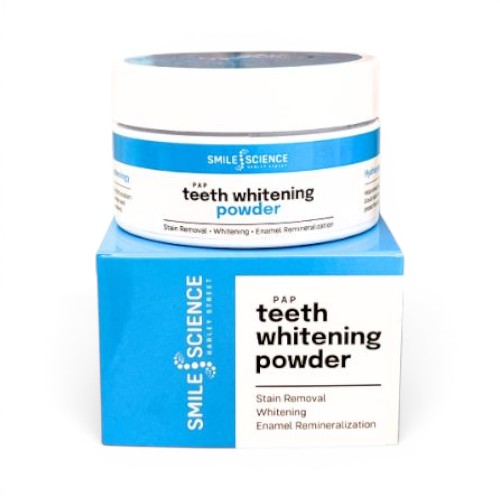
3. PAP Whitening Powder (Effective for Daily Gradual Stain Removal)
PAP-based powder works during brushing to gradually break down surface stain compounds without relying on peroxide. Best suited to ongoing stain management rather than removing established staining quickly.
- Best for: gradual daily whitening, light surface stains, sensitive teeth
- Results: gradual improvement over several weeks
- How it works: PAP breaks down stain molecules at the surface level during brushing
4. Activated Charcoal Powder (Surface Stain Removal)
Activated charcoal works through a different mechanism — physical adsorption, binding to stain particles on the surface and lifting them during brushing. It doesn’t break down stain molecules chemically like whitening agents do.
- Best for: surface stain removal, occasional use
- Results: can improve brightness for surface-level staining
- How it works: charcoal particles bind to staining compounds and are rinsed away
- Important: best used occasionally rather than daily, as frequent use of abrasive powders is not recommended for long-term enamel care
5. Whitening Foam (Daily Maintenance and Prevention)
A stronger daily alternative to standard toothpaste, designed to lift surface stains and prevent new ones from building up. More effective than toothpaste for ongoing stain management, but not designed for removing significant established staining.
- Best for: daily maintenance, preventing stain accumulation
- Results: gradual improvement with consistent use
- How it works: applied directly to teeth, helps break down surface stains during brushing
Matching the Method to the Stain
| Stain Cause | Best First Step | Best Maintenance |
|---|---|---|
| Coffee / tea (regular) | LED whitening kit | Whitening foam daily |
| Red wine staining | LED whitening kit | PAP powder + foam |
| Smoking stains | LED whitening kit (full course) | Whitening pen for touch-ups |
| General yellowing over time | LED whitening kit | Whitening toothpaste + foam |
| Light surface stains | Whitening strips | Foam or PAP powder |
| Preventing new stains | Daily maintenance products | Consistent routine |
How the Removal Process Works
Most effective whitening methods use oxygen-based chemistry to remove stains. When the active ingredient — whether hydrogen peroxide, Sodium Percarbonate, or PAP — is applied to the teeth, it releases reactive oxygen molecules. These molecules break apart the chemical bonds of stain compounds embedded in or on the enamel, effectively dissolving the discolouration rather than physically scrubbing it away.
This is an important distinction: effective whitening is a chemical process, not a mechanical one. Products that rely solely on abrasion — some whitening toothpastes, charcoal powders — can remove surface deposits but don’t penetrate staining embedded in the enamel the way oxygen-based systems do.
The LED component in LED whitening kits adds another layer — light energy accelerates the oxygen-releasing reaction, making the whitening gel work more efficiently and delivering faster results within the same treatment period.
What Won’t Remove Stains Effectively
A few common approaches that are less effective than they’re often believed to be:
- Standard toothpaste alone — most whitening toothpastes work primarily through mild abrasion and have limited effect on embedded staining
- Oil pulling — limited evidence for meaningful stain removal
- Baking soda — mildly abrasive, can help with very superficial staining, but not effective for established discolouration and not recommended for regular use due to abrasivity
- Lemon juice or apple cider vinegar — acidic, and more likely to erode enamel than remove stains meaningfully
For genuine stain removal, a properly formulated whitening product using oxygen-based chemistry is significantly more effective than home remedies.
Preventing Stains from Returning
Removing stains is only half the equation. Without a maintenance routine, the same habits that caused staining will gradually rebuild discolouration — often within weeks for heavy coffee or tea drinkers.
Practical prevention steps:
- Rinse with water immediately after consuming staining drinks
- Use a straw for coffee, tea, juice, and wine where practical
- Brush or rinse after meals where possible
- Avoid the highest-staining foods for 48 hours immediately after a whitening session — enamel is more porous during this period
- Start a daily maintenance routine immediately after treatment — not weeks later
Daily maintenance routine for lasting results:
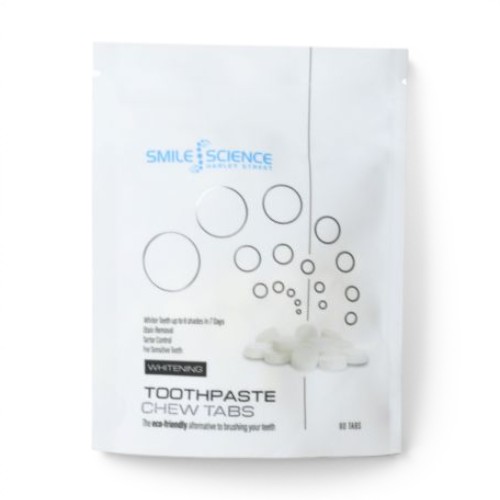
- Whitening toothpaste — replaces standard toothpaste as your daily base
- Whitening foam — stronger daily stain prevention beyond toothpaste alone
- PAP powder — gradual ongoing whitening during brushing
- Whitening pen — targeted touch-ups as needed
The principle is straightforward: consistent low-intensity maintenance prevents the gradual accumulation that requires repeated intensive treatment.
When to See a Dentist
Most surface staining can be addressed effectively with at-home whitening products. However, it’s worth consulting a dentist if:
- Staining is isolated to one tooth — this can indicate internal damage or decay
- Staining appears grey or dark rather than yellow or brown — this may suggest intrinsic discolouration
- You have significant existing dental work on visible teeth — crowns, veneers, and bonding are not affected by whitening products
- You have active tooth decay or gum disease — these should be treated before whitening
Recommended Products
LED Teeth Whitening Kit
Whitening Strips
PAP Whitening Powder
Activated Charcoal Powder
Whitening Foam
Whitening Pen
Related Guides
Why Do Teeth Turn Yellow?
How Long Does Teeth Whitening Last?
Best Teeth Whitening Kits UK
Is Teeth Whitening Safe?
Best Whitening for Sensitive Teeth
Frequently Asked Questions
What removes teeth stains fastest?A structured LED whitening kit is the fastest at-home method, delivering visible stain removal within 7–10 days. For lighter staining, 7-day whitening strips provide a quicker alternative to longer strip courses.
Can old stains be removed from teeth?Yes — even established staining can be significantly improved with the right whitening treatment. Older, deeper staining may require a full kit course rather than strips alone, and results may be more gradual than with fresh staining.
Does charcoal actually remove stains?Activated charcoal can help remove surface deposits through physical adsorption, but its effect on embedded staining is limited. It works best as an occasional supplement to a whitening routine rather than a primary treatment.
How do I stop stains coming back after whitening?Starting a daily maintenance routine immediately after treatment is the most effective step. Combining whitening foam, PAP powder, or toothpaste with sensible habits around staining drinks makes a significant difference to longevity.
Are stains from smoking harder to remove?Smoking stains tend to be more stubborn than staining from food and drink — nicotine and tar penetrate the enamel more deeply over time. A full LED kit course is recommended as the starting point, and more frequent maintenance is typically needed to keep results.
Why do my teeth stain so easily?Some people have naturally more porous enamel, which absorbs staining compounds more readily. Diet, saliva composition, oral hygiene habits, and reduced saliva flow can all contribute to faster staining. A consistent daily maintenance routine helps offset this.