





Best Whitening Toothpaste UK 2026
Last updated: 25 October 2026
Whitening toothpastes are the easiest way to add whitening to your daily routine, but they work very differently from strips or kits. Most work gradually, by lifting surface stain or by adding a mild whitening ingredient, and they differ a lot in what they contain, including whether they have fluoride.
This guide compares five UK whitening toothpastes: Smile Science Vita White, Colgate Max White Ultimate Renewal, Icy Bear Diamond Whitening, HiSmile PAP+ and Spotlight Ultra Whitening. We look at fluoride, the whitening approach and what each brand says about enamel and sensitivity.
Quick AnswerWhitening toothpaste suits gradual whitening and maintenance, not dramatic change. Check the fluoride first. The NHS says adults should use a toothpaste with at least 1,350ppm fluoride, and two of the five toothpastes here are fluoride-free. If you choose a fluoride-free whitening toothpaste, ask your dentist how you’ll get fluoride from another source.
How Whitening Toothpastes Work
Whitening toothpastes use one or more of these approaches:- Mild abrasives — such as silica or calcium compounds, which polish away surface stain
- Chemical whiteners — such as a peroxide or peroxide-releasing ingredient, PAP or “active oxygen”, which help break down stain
- Optical brighteners — such as blue pigments that make teeth look whiter for a short time without changing their colour
Quick Comparison
| Toothpaste | Fluoride | Whitening Approach | Brand’s Enamel or Sensitivity Claim |
|---|---|---|---|
| Smile Science Vita White | None | Calcium peroxide; dicalcium phosphate and magnesium carbonate also listed | Gentle enough for daily use by people with sensitive teeth |
| Colgate Max White Ultimate Renewal | 1450ppm | “Active oxygen molecules” and optical blue brighteners | “Enamel safe”, “zero-abrasive” whitening ingredient |
| Icy Bear Diamond Whitening | 1450ppm | Diamond dust (called a natural abrasive by the brand) and hydrated silica | “Minimises sensitivity” (no study cited) |
| HiSmile PAP+ | None | PAP and hydroxyapatite | “Gently lift stains”; no sensitivity claim |
| Spotlight Ultra Whitening | Sodium fluoride | Hydrogen peroxide | “Protecting enamel”; no sensitivity claim |
The Best Whitening Toothpastes UK 2026 — Reviewed
Smile Science Vita White Whitening Toothpaste — Daily Whitening, Fluoride-Free
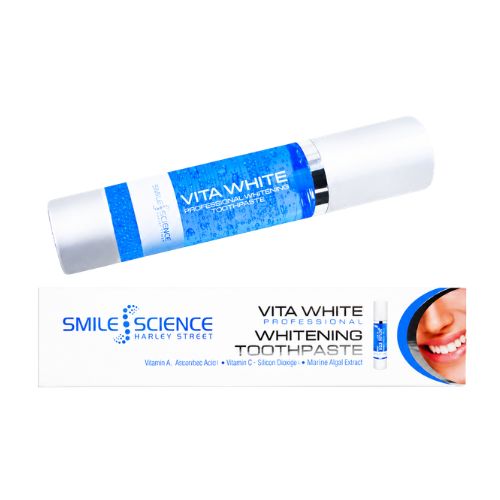
Full disclosure: this is our own product, so read this section with that in mind. Vita White is made in Britain and is used twice daily as a toothpaste. It uses calcium peroxide as its whitening ingredient, alongside dicalcium phosphate, magnesium carbonate, vitamin C and vitamin A (retinol). It is for adults over 16 only. Where it excels A daily routine with no extra steps. It is designed to remove surface stain and help keep results after a whitening course, and we describe it as gentle enough for daily use, including by people with sensitive teeth. Where it falls short It contains no fluoride, so it doesn’t give the cavity protection that a fluoride toothpaste does. It contains vitamin A, so it isn’t recommended in pregnancy or for women considering pregnancy, and it isn’t suitable for children. It also lists alcohol. We have no abrasivity (RDA) figure and no head-to-head data against other toothpastes. Best for Adults who want a daily whitening toothpaste to maintain results and are getting fluoride from another source, as advised by their dentist. View Smile Science Vita White ToothpasteColgate Max White Ultimate Renewal — Fluoride and Active Oxygen
Colgate’s toothpaste releases “active oxygen” while you brush and adds blue optical brighteners for a temporary instant effect. The brand says whitening starts within 3 days and that dramatic results need about 2 weeks of continued use. Where it excels A familiar brand, fluoride at 1450ppm and a simple replacement for your normal toothpaste. Where it falls short Colgate describes the whitening ingredient as “zero-abrasive”, but silica and other abrasives are also listed, so the toothpaste as a whole isn’t abrasive-free. The instant effect from the brighteners is temporary. The page makes no sensitivity claim. Best for People who want a fluoride whitening toothpaste from a well-known brand.Icy Bear Diamond Whitening Toothpaste — Fluoride and Diamond Dust
Icy Bear’s toothpaste contains diamond dust, which the brand describes as a natural abrasive that polishes the outer surface of teeth. It says the toothpaste “minimises sensitivity” and is designed for sensitive teeth. Where it excels Fluoride at 1450ppm, and a polishing action aimed at surface stain. Where it falls short The brand itself calls diamond dust an abrasive, so if you have sensitive or worn enamel it is worth asking about the abrasivity. The sensitivity claim is the brand’s own, with no study cited. Best for People who want a fluoride toothpaste with a polishing action and don’t have worn enamel.HiSmile PAP+ Toothpaste — PAP and Hydroxyapatite
HiSmile describes its PAP+ toothpaste as an everyday whitening toothpaste designed to gently lift stains. You use two pumps on a soft-bristle brush and brush for 2 minutes. Where it excels A PAP-based formula with hydroxyapatite, and a simple pump dispenser. Where it falls short It is fluoride-free, and the retailer listing makes no sensitivity claim. Best for People who want a fluoride-free PAP toothpaste and are getting fluoride elsewhere.Spotlight Ultra Whitening Toothpaste — Fluoride and Hydrogen Peroxide
Spotlight lists sodium fluoride and hydrogen peroxide as the active ingredients in its Ultra Whitening toothpaste. The brand says it brightens teeth while protecting enamel. Where it excels Fluoride plus a named whitening ingredient in one daily toothpaste. Where it falls short The brand description gives no fluoride concentration, directions or sensitivity information, and hydrogen peroxide may not suit anyone who knows peroxide triggers their sensitivity. Best for People who want a fluoride toothpaste with hydrogen peroxide as the whitening ingredient.How to Choose a Whitening Toothpaste
Check the Fluoride First
The NHS says adults should use a toothpaste with at least 1,350ppm fluoride to protect against decay. If you prefer a fluoride-free whitening toothpaste, talk to your dentist about how you’ll get fluoride, for example by using a fluoride toothpaste at one brushing a day.If You Have Sensitive Teeth
Look for a toothpaste that doesn’t rely on strong abrasives, and ask the brand for its abrasivity (RDA) figure if you can. Every sensitivity claim here is the brand’s own. A dedicated sensitive toothpaste may be a better daily choice, and you can use a whitening product separately.If You Want Noticeable Whitening
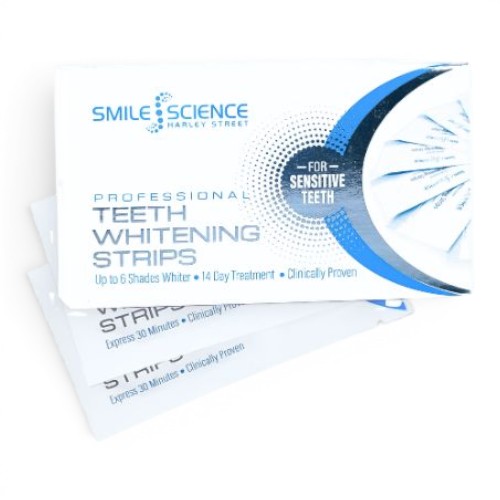
Toothpaste works gradually. For a visible change, use whitening strips or an LED kit, then use a whitening toothpaste to maintain results.If You Are Pregnant or Trying to Conceive
Check the label. Some products, including ours, contain vitamin A and aren’t recommended in pregnancy.If You Have Crowns, Veneers or Fillings
Whitening toothpaste only lightens natural enamel. Restorations stay the same colour.Safety and UK Regulation
In the UK, cosmetic whitening products sold direct to consumers are limited to 0.1% hydrogen peroxide, including peroxide-releasing compounds such as calcium peroxide (see NHS guidance on teeth whitening). Whatever you choose, follow the directions on the pack, avoid swallowing the toothpaste and stop using it if you get persistent gum irritation or sensitivity.How to Get the Best Results
- Brush for two minutes, twice a day, as directed on the pack
- Use a soft-bristle or electric toothbrush and don’t scrub hard
- Follow the pack on rinsing: the NHS says to spit out fluoride toothpaste and not rinse straight after, while some fluoride-free products ask you to rinse well
- Limit coffee, tea, red wine and smoking, which are the main causes of new staining
- Use a whitening pen for targeted touch-ups between courses
Our Verdict
A whitening toothpaste is a sensible daily habit for keeping teeth bright, but expect gradual change. The deciding factor is often fluoride. Colgate, Icy Bear and Spotlight give you fluoride, and Smile Science and HiSmile don’t, so check the pack and speak to your dentist if you’re unsure. If you want a whitening toothpaste to maintain the results of a course, ours is designed for that. For a first whitening, start with strips or a kit.Recommended Products
Related Guides
Frequently Asked Questions
Does whitening toothpaste actually work?It can help remove surface stain and keep results, but the effect is gradual and modest. For a noticeable change, strips or a kit are more effective, with toothpaste for maintenance.
Do I need fluoride in my whitening toothpaste?The NHS says adults should use a toothpaste with at least 1,350ppm fluoride. If you use a fluoride-free whitening toothpaste, ask your dentist how you’ll get fluoride from another source.
Is whitening toothpaste safe for sensitive teeth?It depends on the product. Abrasives and some whitening ingredients can irritate sensitive teeth. Sensitivity claims in this guide are the brands’ own, so start with a gentle approach and stop if discomfort lingers.
Can I use whitening toothpaste every day?Most are designed for daily use, twice a day, as directed on the pack. Check the label, because some products aren’t suitable for children or during pregnancy.
How long does whitening toothpaste take to work?It varies. Colgate says whitening starts within 3 days and takes about 2 weeks for more visible results. Others don’t state a timeframe. Results depend on your starting shade and staining.
Can I use whitening toothpaste with strips or a kit?Yes, it is commonly used to maintain results after a strips or kit course. Use one whitening course at a time and follow the directions for each product.