




Dentist vs At-Home Teeth Whitening — Which Is Better?
If you’re considering whitening your teeth, one of the first decisions you’ll face is whether to go to a dentist or use an at-home system. Both can deliver real results — but they differ significantly in cost, convenience, speed, and the type of experience involved.
This guide gives an honest comparison of both approaches, explains what each can realistically achieve, and helps you decide which is the right fit for your situation.
Quick Answer
Dentist whitening can deliver faster, more dramatic results in a single session — but modern at-home systems close the gap considerably. For most people with typical surface staining, a structured at-home LED whitening kit delivers comparable long-term results at a fraction of the cost and with far greater convenience. Professional treatment makes most sense when speed is the priority or when staining is particularly severe.
How Each Approach Works
Professional Dentist Whitening — in-clinic whitening uses high-concentration hydrogen peroxide gel — typically between 25–40% — applied directly to the teeth under professional supervision. A light or laser is often used to activate the gel and accelerate the whitening process. Because the concentrations used professionally are significantly higher than anything available in consumer products, results can be dramatic and are often visible after a single session of 60–90 minutes. Dentists also offer take-home trays with professional-grade gel — a middle-ground option that uses higher concentrations than standard consumer products but in a more gradual format.
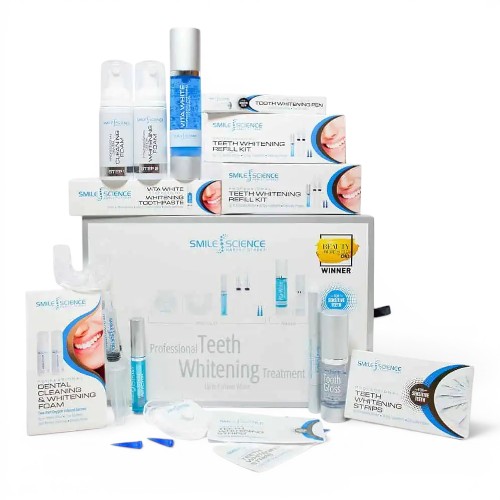
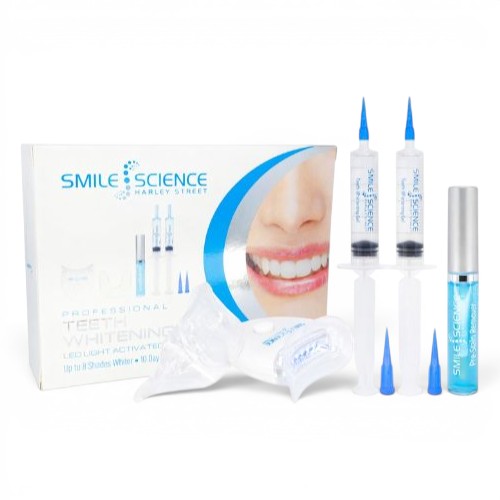
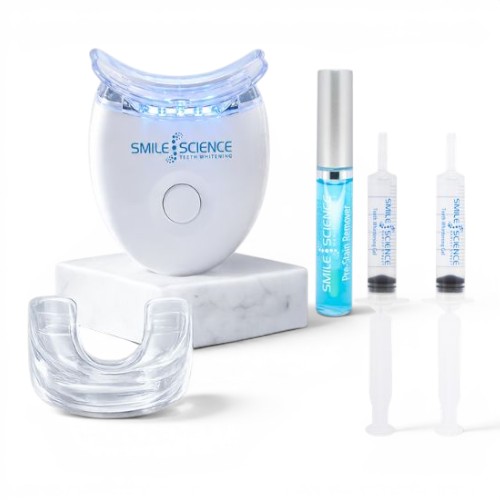
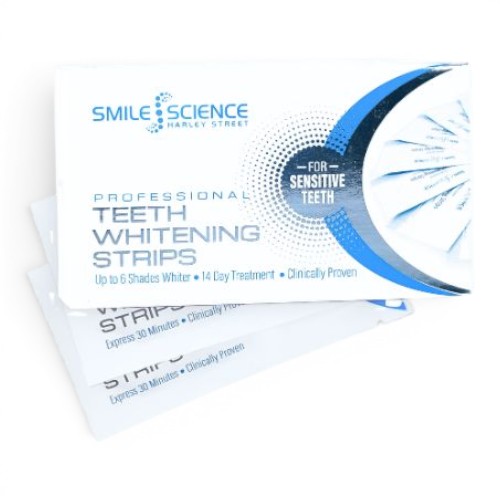
At-Home Whitening — at-home systems use lower concentrations of whitening ingredients — within the limits set by UK consumer regulations — applied through strips, trays, or gel systems over a course of 7–28 days depending on the product. Modern at-home systems have improved considerably. Structured LED kits combine a whitening gel with light activation to accelerate results — delivering visible whitening within 7–10 days using ingredients like Sodium Percarbonate, designed to balance effectiveness with reduced sensitivity. The gap between professional and at-home results has narrowed meaningfully as at-home formulations and delivery systems have developed.
Side-by-Side Comparison
| Feature | Dentist Whitening | At-Home Whitening |
|---|---|---|
| Speed | Very fast (1–2 sessions) | Fast–medium (7–28 days) |
| Ingredient strength | High (25–40% peroxide) | Lower (regulated consumer limits) |
| Results | Dramatic, immediate | Visible, gradual |
| Cost | High (£300–£1,000+) | Much lower |
| Convenience | Requires appointments | Done at home, any time |
| Sensitivity risk | Higher (stronger ingredients) | Lower–medium |
| Maintenance needed | Yes | Yes |
| Long-term results | Similar with maintenance | Similar with maintenance |
| Suitable for severe staining | Yes | Partial — may need professional assessment |
The Cost Difference — What You’re Actually Paying For
Professional whitening in the UK typically costs between £300 and £1,000 or more depending on the clinic, location, and treatment type. At-home LED whitening kits represent a fraction of this cost while delivering comparable long-term results for most users.
What you’re paying for with professional treatment is primarily:
- Speed — dramatic results in a single session rather than over 7–10 days
- Concentration — access to ingredient strengths not available in consumer products
- Professional supervision — assessment of suitability, monitoring of results
- Customised trays — fitted to your specific teeth for optimal coverage
For someone preparing for a wedding, major event, or who wants the fastest possible transformation, the premium may be worthwhile. For most people whitening as part of a general routine, at-home systems deliver strong value.
Results — How Do They Actually Compare?
Short-term (immediately after treatment) — professional whitening wins clearly here. A single in-clinic session using high-concentration peroxide can deliver a significant jump in brightness — results that would take several at-home courses to replicate.
Long-term (3–12 months) — the picture changes considerably. Both professional and at-home whitening results fade at broadly similar rates — determined by the same lifestyle factors: diet, habits, and whether a maintenance routine is followed. A person who completes a professional whitening session and does nothing to maintain results will see fading within weeks. A person who completes a structured at-home course and follows a consistent daily maintenance routine will maintain noticeably brighter teeth for months. This means the long-term outcome for most people is less about which method they started with, and more about what they do afterwards.
For severe or deep staining — professional treatment has a meaningful advantage here. High-concentration peroxide can address deeper, more embedded staining more effectively than consumer-strength products. If you have significant staining from smoking, medications, or years of accumulated discolouration, professional assessment is a sensible first step.
Sensitivity — An Important Consideration
Professional whitening uses significantly higher peroxide concentrations than at-home products. For most people this is manageable under professional supervision — dentists can apply desensitising treatments and monitor the process. However, sensitivity after in-clinic whitening is common and can be more pronounced than with at-home systems.
At-home systems using Sodium Percarbonate or PAP-based ingredients are specifically designed to reduce this risk, delivering effective whitening with a more comfortable experience for the majority of users. For people who have experienced significant sensitivity during professional treatment in the past, a gentler at-home approach may actually be preferable on an ongoing basis.
When Professional Whitening Makes Sense
Consider professional treatment if you:
- Need results quickly — a specific event, occasion, or deadline where 7–10 days is too long to wait
- Have severe or deep staining — particularly from smoking, tetracycline, or years of heavy coffee and wine consumption
- Want professional assessment — if you have existing dental work, concerns about enamel health, or haven’t had a dental check recently
- Haven’t responded well to at-home systems — if previous at-home attempts have produced limited results, professional strength may be needed
- Have a significant budget — and prioritise maximum speed and convenience over value
When At-Home Whitening Makes More Sense
At-home whitening is the better choice for most people in most situations. Choose it if you:
- Want strong results without the cost — modern at-home LED systems deliver visible whitening within 7–10 days at a fraction of professional prices
- Prefer convenience — no appointments, done in your own time, fits around your routine
- Have typical surface staining — coffee, tea, wine, general dietary staining responds very well to structured at-home treatment
- Are concerned about sensitivity — at-home systems using Sodium Percarbonate or PAP are more controllable and gentler than high-concentration professional treatments
- Want a complete long-term routine — at-home systems that combine treatment with maintenance products support ongoing results in a way a single professional session doesn’t
The Maintenance Reality — Why It Matters More Than the Method
One of the most important things to understand about the dentist vs at-home debate is that neither method produces permanent results. Both require maintenance. A professional whitening session is not a permanent solution — teeth will restain at the same rate as after at-home whitening, driven by the same dietary and lifestyle factors. Without a maintenance routine, both approaches fade on similar timelines.
This is a meaningful consideration when assessing value. A £500–£1,000 professional treatment that isn’t followed by a maintenance routine will fade just as quickly as a much more affordable at-home course. Investing in a complete at-home system — treatment plus daily maintenance products — often delivers better sustained results than a professional treatment alone.
The most effective long-term approach for most people is a structured at-home treatment course combined with consistent daily maintenance, with professional treatment reserved for occasions that genuinely warrant it.
What About Dentist Take-Home Trays?
A middle-ground option worth mentioning: many dental practices offer custom take-home whitening trays with professional-grade gel. These use higher concentrations than standard consumer products but in a gradual, at-home format.
- More expensive than consumer at-home systems
- Custom-fitted trays provide more even gel coverage than standard strips or trays
- Higher concentration gel can deliver stronger results than consumer products
- Still requires the same daily maintenance approach for longevity
For some users — particularly those with uneven teeth where standard trays fit poorly — custom trays are worth considering. For most, the difference in outcome compared to a well-formulated consumer LED system is modest relative to the cost difference.
A Note on UK Regulations
In the UK, only registered dental professionals can legally provide whitening treatments using hydrogen peroxide concentrations above 0.1%. Consumer products are capped at 0.1% hydrogen peroxide — a regulatory framework designed to ensure safety at the point of sale. This is why professional results are faster — the concentration difference is significant. It also means that reputable consumer products are formulated within a defined safety limit, and that any product claiming professional-strength results available without professional oversight should be approached with caution.
Recommended Products
Related Guides
Is Teeth Whitening Safe?
How Long Does Teeth Whitening Last?
PAP vs Peroxide
Does Teeth Whitening Damage Enamel?
Best Teeth Whitening Kits UK
Frequently Asked Questions
Is professional whitening worth the cost?For most people with typical surface staining, at-home systems deliver comparable long-term results at significantly lower cost. Professional treatment is worth the premium when speed is the priority, staining is severe, or professional assessment is needed.
How many shades can professional whitening achieve?Professional treatment can achieve significant shade improvement — often 6–10 shades — in a single session. At-home systems typically deliver a more gradual improvement over a 7–10 day course, though the long-term endpoint is similar for most users.
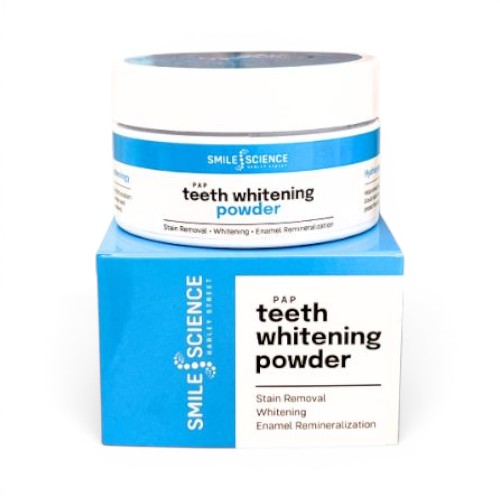
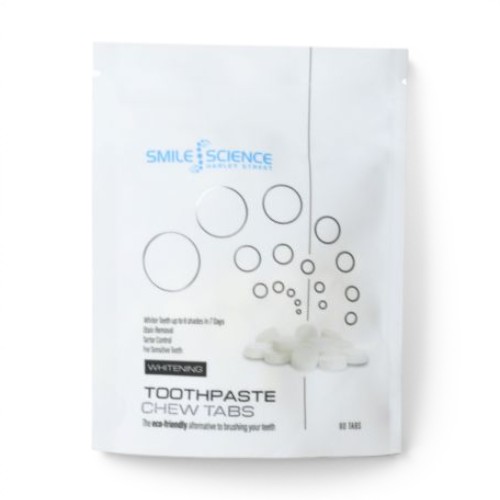
Can I maintain professional whitening results at home?Yes — and this is exactly what you should do. A daily maintenance routine using whitening foam, PAP powder, or toothpaste significantly extends the results of any whitening treatment, professional or otherwise.
Is at-home whitening safe compared to professional?Yes — regulated consumer products are formulated within safety limits designed for unsupervised use. Professional treatments use higher concentrations under supervision, which carries different but manageable considerations. Both are safe when used correctly.
Does professional whitening last longer than at-home?Not inherently — both methods fade at broadly similar rates determined by lifestyle and maintenance habits. The main advantage of professional treatment is the speed and intensity of the initial result, not a longer-lasting outcome.
What if at-home whitening hasn’t worked for me previously?If previous at-home attempts have produced limited results, it may be worth assessing why — inconsistent use, incorrect application, or staining that is too deep for consumer-strength products are the most common reasons. A structured LED kit used consistently is worth trying before moving to professional treatment. For genuinely resistant staining, professional assessment is a sensible next step.